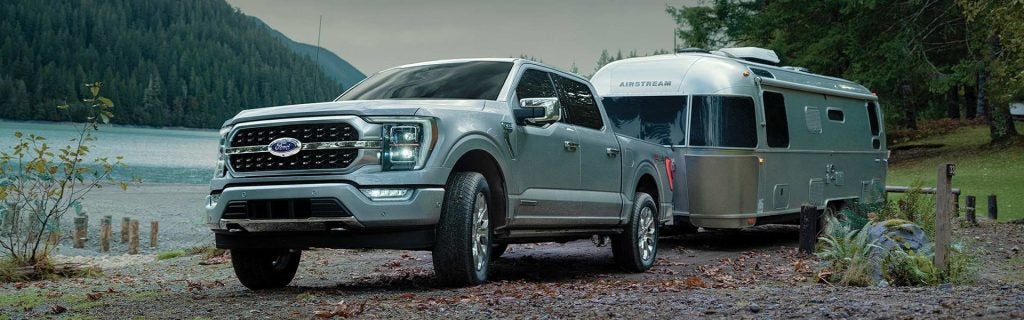
Your Ford F-150 is a truck full of amazing features, including the trailer brake gain. Find out how to maximize the might of your pickup with this handy function Ford F-150 Trailer Brake Gain Defined The F-150 embodies the phrase Built Ford Tough. That aluminum alloy body is military strength, as is the equally powerful steel frame. And with added benefits like trailer sway control and standard tow-haul mode, it's no surprise this beast delivers a bombastic seven-ton towing capacity. The available trailer brake controller provides another powerful boost. This system helps coordinate and balance the electric trailer brake with the truck brake itself and, in the process, makes slowing down and braking with an attached trailer a cinch. Factors such as vehicle speed, air pressure, ABS, and braking input work in tandem to give you this control, which is managed by the onboard computer and viewable on the digital instrument panel. Gain of trailer brake refers to how much braking force is exerted on the trailer. Why It's Important A higher gain setting results in more braking force being applied. But more force is not always ideal. If the braking force is too much or too little, you run the risk of making your driving experience unsafe or of damaging your truck or trailer. Aside from the weight of your haul, other factors might impact the gain you set, like the duration of your trip or the type of brake on your trailer. Making routine adjustments to the gain may be necessary, so knowing how to set this function is a useful skill. The Process First, the trailer brake wire needs to be plugged into the F-150's power system in the back. When you return to the driver's seat, you will find the control for the trailer brake marked on your central console. Both a manual lever and buttons with plus or minus on them are present. You can use either one to set the gain. Pressing and holding the button does allow for a more continuous adjustment. You can get more information about the controller via the instrument panel's LCD productivity screen. Pushing the right arrow two times on the Truck Apps screen will bring up the trailer display. When your trailer is connected, you'll get a message on screen confirming the connection. Pressing OK when this message appears will then take you to the Gain setting. A bar graph will signal how much force is being applied to the brakes. Test It Out As mentioned, ensuring you have the right gain for your drive is essential. Taking your trailer controller adjustments for a test drive is the best way to achieve the balance you need. Try to find a flat stretch of road with little to no traffic and take it slow at around 20 miles-per-hour. When you apply the brakes, take note of whether the braking feels too sluggish or whether a lock-up happens. If it's the former, turn the gain up. On the other hand, if the brakes lock up, lower the gain. Keep testing until you have your ideal braking capacity. Now you know how to set the trailer brake gain on an F-150. Looking to purchase a new or used F-150? Visit Boyd Brothers Ford and take a test drive today.
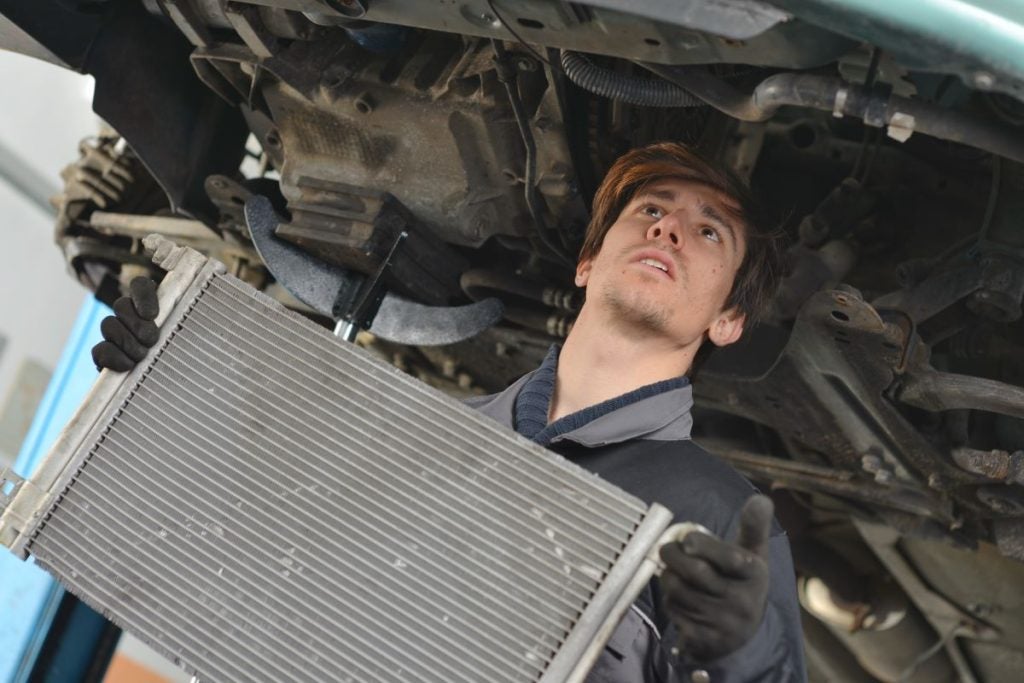
How to Tell When Your Ford Needs a Radiator Repair
In order to keep your car's engine from overheating, coolant is pumped through it at a rate of 20 times per minute. The cooling system's radiator serves the vital function of bringing the coolant's temperature down as the coolant passes through. So if you notice the following indications of radiator trouble, it's best to visit your local Ford dealership for radiator repair before your engine grows too hot and begins to break down. How To Tell When Your Ford Needs a Radiator Repair Leaking Coolant Coolant is usually a brightly colored, slightly sweet-smelling fluid. So if you ever notice a bright red, yellow, green, or blue liquid puddling under your car, you might have a leak in your radiator. You can check the coolant reservoir to see if the level is unusually low. Leaking coolant might also create stains on other engine parts when it drips and burns away in the engine's heat. A leak can originate from cracks in the hoses, hose connectors, the radiator cap, or a crack in the radiator itself from rusting or other damage. Discolored Coolant When problems develop inside the radiator, such as internal clogging, rust, or buildup of other contaminants, the coolant will often change color. You can check your coolant's color in the coolant reservoir, which is usually transparent. If the usual bright color has dulled to a rusty brown or the coolant has clearly thickened, then it's likely the inside of your radiator needs to be cleaned. While fresh coolant does have strong anti-rust properties, aging coolant can begin to lose these properties, allowing internal rust to form. Clogged Radiator Fins The myriad fins in a radiator separate the coolant from the engine. As you drive, the rush of air over the fins then lowers the coolant's temperature. But over time, dirt and debris can fly in through the car's grill and become stuck between the fins. And if a radiator's fins become too clogged up by debris, they won't be able to cool the coolant properly and will need to be cleaned. Overheating Engine When a radiator problem is allowed to develop, the engine will eventually start to overheat. Your first warning of this will probably be the engine temperature gauge on your dashboard rising above 220 degrees Fahrenheit. You might also hear ticking and knocking sounds from the engine, your car will lose power, and the hood will become hot to the touch. What a Ford Dealer Checks When Your Radiator Fails When diagnosing radiator trouble, a technician at your local dealership will examine the entire cooling system. They'll clean away external debris and check the hoses for cracks and also for overheating which might indicate a thermostat problem. They'll also pressure-test the radiator cap, thermostat, fan, and pump. Have your radiator examined and repaired today by experienced professionals at Boyd Brothers Ford. For over two decades, we've been providing the region's Ford drivers with great cars and great service.