Blog / Auto Repair

Blog

All Auto Repair Oxford Ford Dealer SUVs Food in Oxford NC Things to do in Oxford Trucks Oxford Ford Service Bronco
Radiator Repair

How to Tell When Your Ford Needs a Radiator Repair

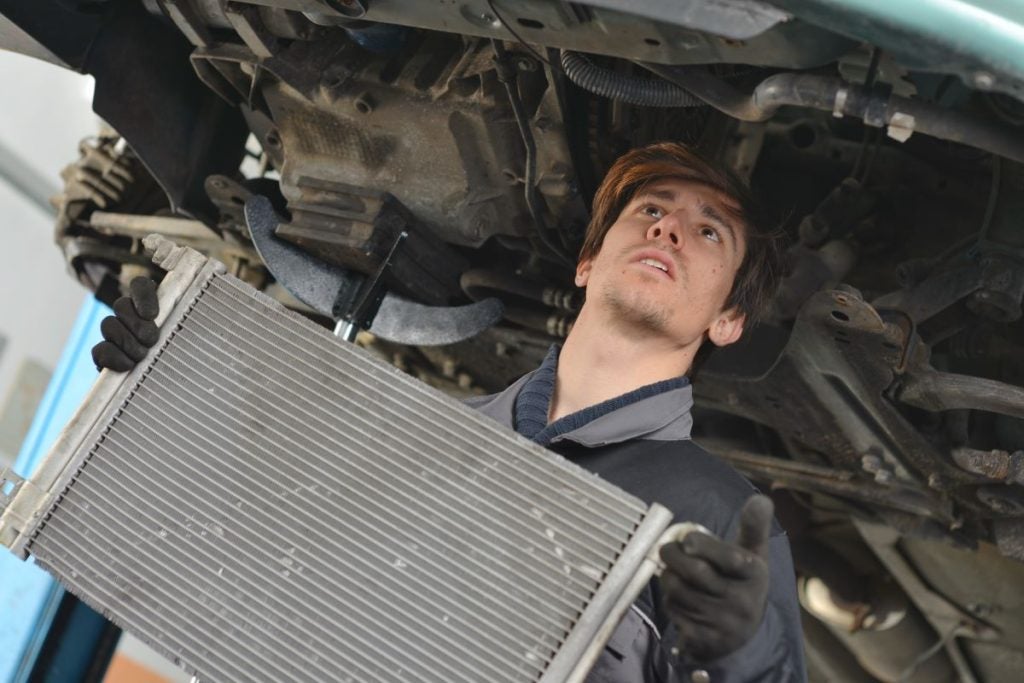
In order to keep your car's engine from overheating, coolant is pumped through it at a rate of 20 times per minute. The cooling system's radiator serves the vital function of bringing the coolant's temperature down as the coolant passes through. So if you notice the following indications of radiator trouble, it's best to visit your local Ford dealership for radiator repair before your engine grows too hot and begins to break down. more How To Tell When Your Ford Needs a Radiator Repair Leaking Coolant Coolant is usually a brightly colored, slightly sweet-smelling fluid. So if you ever notice a bright red, yellow, green, or blue liquid puddling under your car, you might have a leak in your radiator. You can check the coolant reservoir to see if the level is unusually low. Leaking coolant might also create stains on other engine parts when it drips and burns away in the engine's heat. A leak can originate from cracks in the hoses, hose connectors, the radiator cap, or a crack in the radiator itself from rusting or other damage. Discolored Coolant When problems develop inside the radiator, such as internal clogging, rust, or buildup of other contaminants, the coolant will often change color. You can check your coolant's color in the coolant reservoir, which is usually transparent. If the usual bright color has dulled to a rusty brown or the coolant has clearly thickened, then it's likely the inside of your radiator needs to be cleaned. While fresh coolant does have strong anti-rust properties, aging coolant can begin to lose these properties, allowing internal rust to form. Clogged Radiator Fins The myriad fins in a radiator separate the coolant from the engine. As you drive, the rush of air over the fins then lowers the coolant's temperature. But over time, dirt and debris can fly in through the car's grill and become stuck between the fins. And if a radiator's fins become too clogged up by debris, they won't be able to cool the coolant properly and will need to be cleaned. Overheating Engine When a radiator problem is allowed to develop, the engine will eventually start to overheat. Your first warning of this will probably be the engine temperature gauge on your dashboard rising above 220 degrees Fahrenheit. You might also hear ticking and knocking sounds from the engine, your car will lose power, and the hood will become hot to the touch. What a Ford Dealer Checks When Your Radiator Fails When diagnosing radiator trouble, a technician at your local dealership will examine the entire cooling system. They'll clean away external debris and check the hoses for cracks and also for overheating which might indicate a thermostat problem. They'll also pressure-test the radiator cap, thermostat, fan, and pump. Have your radiator examined and repaired today by experienced professionals at Boyd Brothers Ford. For over two decades, we've been providing the region's Ford drivers with great cars and great service.
Alternator

Does Your Ford Need an Alternator Repair?

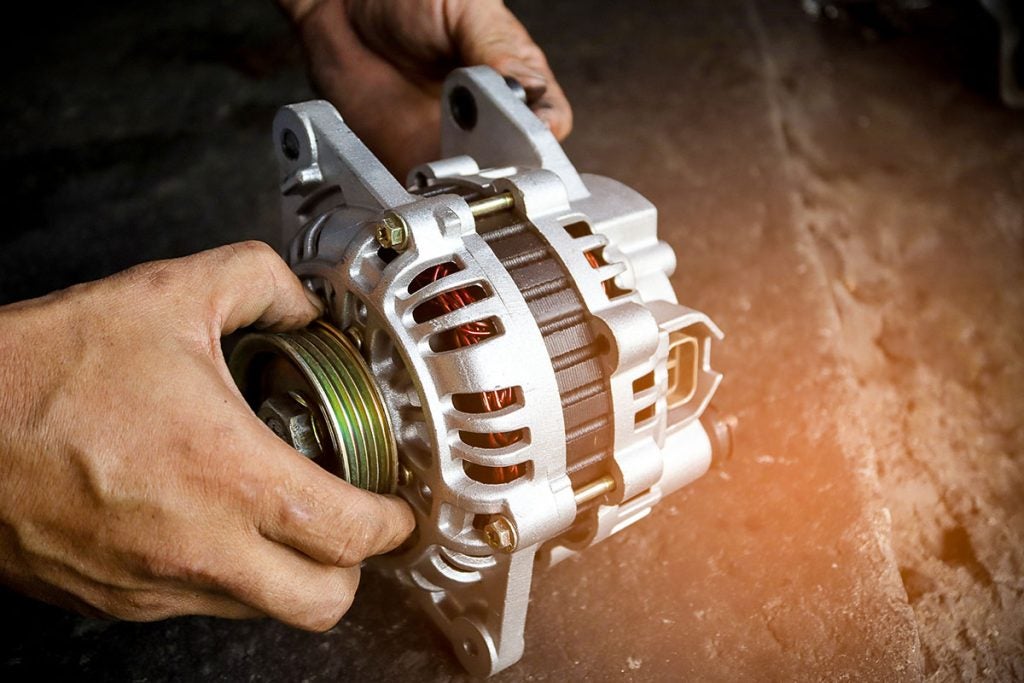
The alternator's function is to produce electricity for your car's systems. It does this by spinning at high speed. Most of this power supplies your car's various electrical systems, and the remainder is used to recharge your battery. When an alternator gets older, it produces less electricity. As your Ford dealer, we'd like you to know some signs that you need to come in for an alternator repair. more Signs You Need an Alternator Repair at Your Ford Dealer Old Age An alternator is a relatively tough component and will work for at least eight years. Alternators work continually, from when your engine starts until you switch it off. Time and constant operation will gradually wear down an alternator and cause it to fail. Fortunately, its decline is gradual, and there are numerous warning signs. A healthy alternator will produce approximately 14.5 volts of power, which is more than the electrical system requires. The drop in power supply is usually only noticeable when the alternator can't supply enough power for all the electrical systems. When this happens, the check battery light will come on, and you'll experience electrical anomalies. We'll examine the alternator and install a new one if the original is failing. Failed Rectifier The alternator uses a complex conversion process to produce electricity. The alternator belt that powers the alternator uses mechanical energy from the turning crankshaft. This mechanical energy causes the alternator to spin, and the alternator produces magnetic energy. The magnetic energy is then captured by the stator and turned into AC. The final step is to convert AC to DC. The rectifier is a small component in the alternator that handles the AC to DC conversion. If the rectifier wears out, the conversion process will stop. Your car's electrical systems can only use DC, and your electrical system will start to shut down. Our technicians can quickly replace a damaged rectifier, and the conversion process will resume. Burning Metal or Plastic Smells Either of these smells is a sign of trouble and usually points to an alternator problem. As we've seen, a worn alternator slows down and produces less power. Your car's computer will instruct the alternator to work harder, and it will speed up. A failing alternator will overheat as it tries to produce more power, and you'll smell a hot metal smell. Burning plastic smells from the engine can be caused by overheating wiring inside a worn alternator. A worn alternator becomes hotter than it should as it struggles to produce power. This can overheat the wiring and cause the insulation to burn. We'll trace the source of the strange smells and repair its cause. If you experience any of these issues, call us ASAP at Boyd Brothers Ford.

Transmission Repair?

Does Your Ford Need a Transmission Repair?

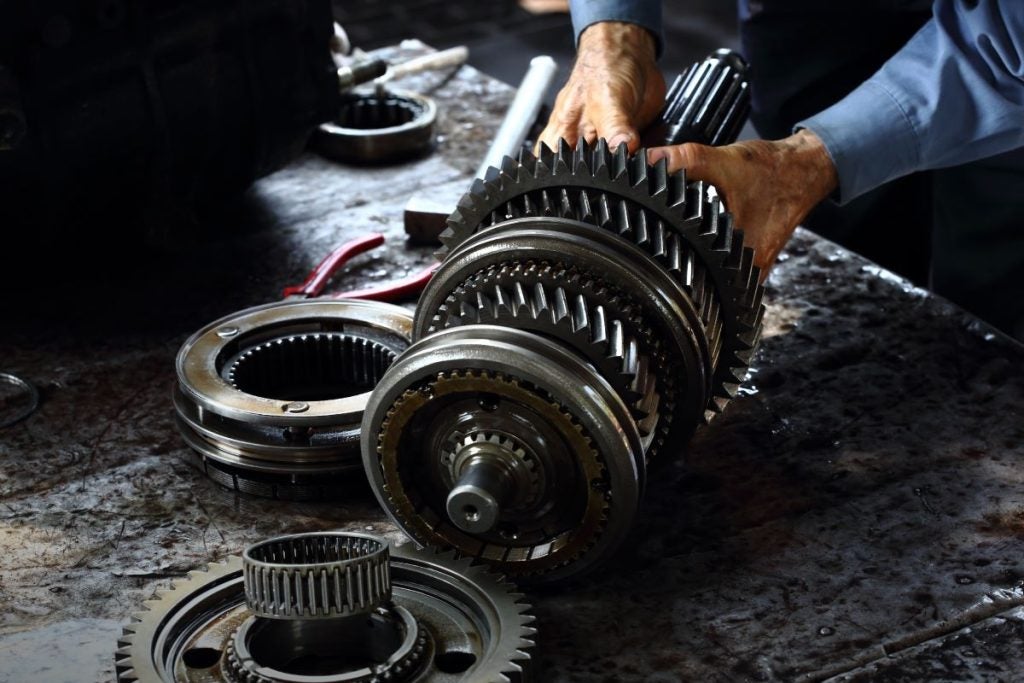
In converting the power from the engine to your wheels, your transmission generates enormous heat and pressure. Should the lubricating qualities of your transmission fluid ever decline, mechanical problems will shortly follow. Even with high levels of fresh fluid, it's possible for transmissions to develop issues. If you notice any of the following four problems, promptly visit your local Ford dealer for transmission repair. more Does Your Ford Need a Transmission Repair? Red Fluid Leaking Under Your Car The fluid in your gearbox not only lubricates, but also helps prevent overheating, corrosion, and a buildup of debris. A leak is a rather urgent matter. You can expect your gearbox to start breaking down within just ten miles of driving with leaking fluid. So it's best to avoid driving your car until the problem is fixed. Transmission fluid is dark red in color. As it ages and fills with tiny fragments of metal it dulls to brown. When leaking, this fluid will often drip and pool under your car. If you suspect a leak or any kind of problem with your transmission, take a moment to check the ground behind you when pulling away from parking. Low Transmission Fluid Levels The heat and friction inside a gearbox cause even the most advanced transmission fluid to steadily break down and begin to burn over time. Eventually, transmission fluid becomes either too old or too diminished in volume to work effectively. It's wise to have it flushed out and replaced long before you reach this point. Have a Ford Dealer Flush Your Fluid Frequently Most Ford drivers should have their fluid flushed and replaced every 30,000 to 60,000 miles for manual transmissions. Drivers with automatic shifts should have it flushed every 60,000 to 100,000 miles. That goes for those driving under ordinary conditions. Anyone who usually drives under severe conditions should have their fluid flushed more often. Severe driving conditions include extremely hot or cold temperatures, rough and dusty terrain such as off-road driving, and heavy stop-and-go traffic. Gears Acting Strangely When gears begin to experience excessive strain, you'll hear them grinding when you shift. Not long after that, they'll start to act strangely, sometimes refusing to shift, sometimes shifting all on their own. You might even hear the engine revving when you shift gears. These gearbox problems might be caused by low fluid levels, rounded-out gears, problems with the solenoid or torque converter, or something else altogether. You'll need to visit a technician to have the problem diagnosed. Clutch Failing to Disengage The clutch is one other part of your transmission with a very heavy workload. Over enough time, it's possible for the flywheel or another part of the clutch to malfunction, causing clutch drag. This will make it difficult to change gears as the flywheel doesn't properly disengage from the wheel axles. Have your transmission examined and repaired today at Boyd Brothers Ford. We're a well-established local dealership supporting the drivers of Oxford, Butner, Henderson, Creedmoor, and the surrounding area.

Contact Us

Fill out this form below and we'll contact you shortly
*Required Fields